admin

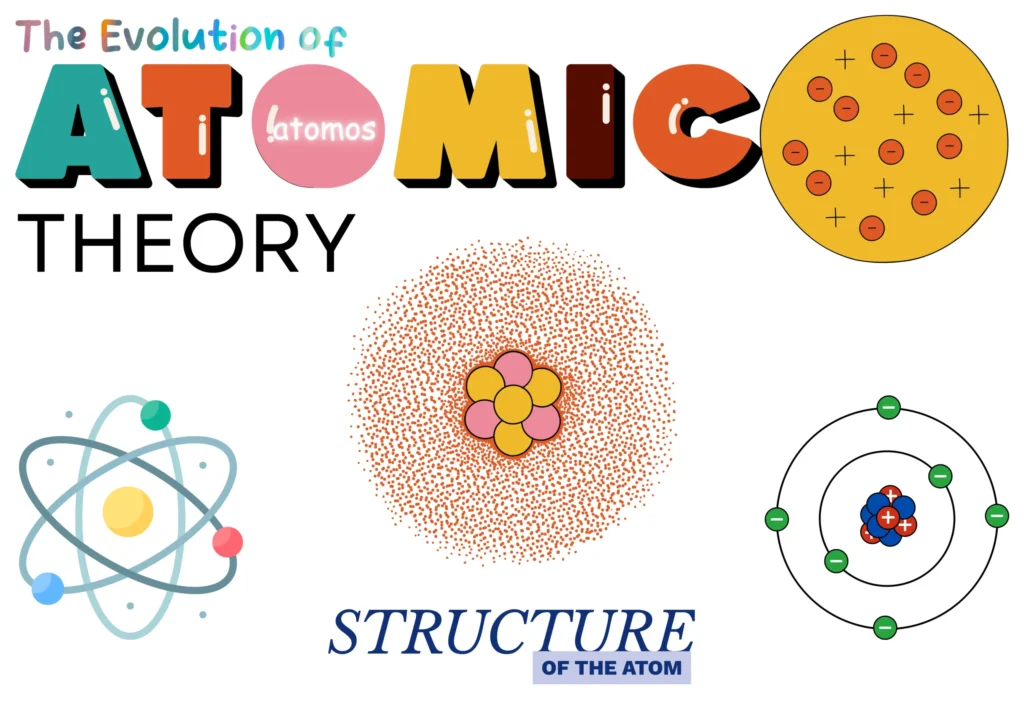
The Evolution of Atomic Theory _ Structure of the Atom

The Evolution of Atomic Theory | Structure of the Atom from Ancient Philosophy to Modern Science | 101 Simplified

The chronological study of the evolution of atomic theory provides a historical perspective for understanding the structure of the atom. Introduction The concept of the atom did not emerge overnight, nor was it the result of a single individual’s work. It took thousands of years of curiosity, experimentation, and bold ideas to evolve into the […]

The Evolution of Atomic Theory | Structure of the Atom from Ancient Philosophy to Modern Science | 101 Simplified Read More »

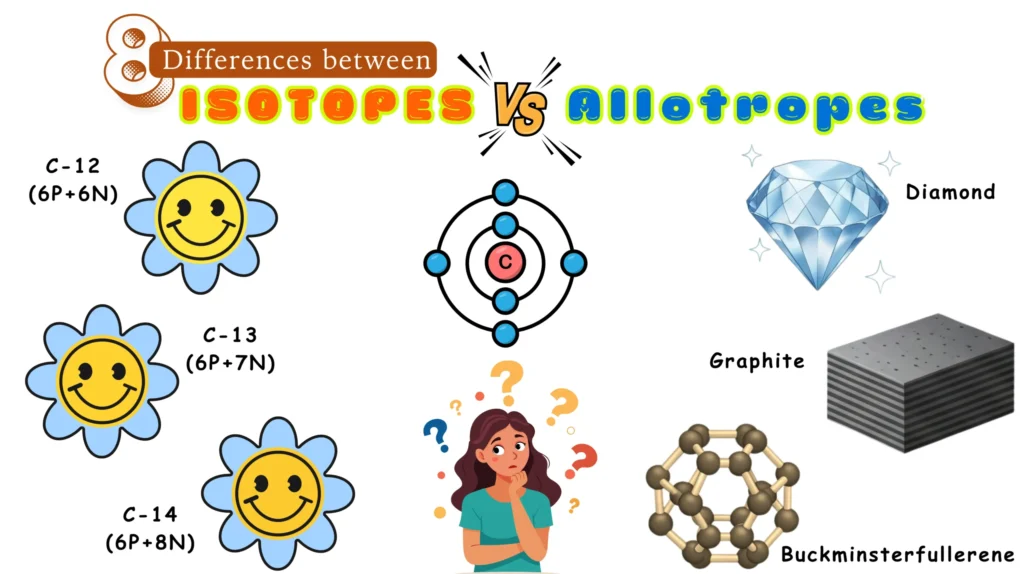
8 Differences between Isotopes vs Allotropes

8 Differences between Isotopes vs Allotropes | Master the Many Faces of the Same Element

Discover the 8 key differences between isotopes and allotropes, and explore the fascinating variations of the same element in nature. Introduction Isotopes and allotropes represent two fascinating ways in which the same element can exist in different forms. While isotopes differ in the number of neutrons in their atoms, allotropes differ in the structural arrangement

8 Differences between Isotopes vs Allotropes | Master the Many Faces of the Same Element Read More »

16 - The Umayyads of Spain (Al-Andalus, 8th–15th Centuries) _ The Real Benefactor of Europe and the West

The Umayyads of Spain (Al-Andalus, 8th–15th Centuries) | Truly The Real Benefactor of Europe and the West

The Umayyads of Spain (Al-Andalus, 8th–15th Centuries), in a true sense, are the real benefactors of Europe and the West. Yet, they are barred from the 1000-year history of the West in the history curriculum. Introduction Umayyads initially ruled the same region as the Abbasids, but the political landscape shifted due to rivalries and conflicts.

The Umayyads of Spain (Al-Andalus, 8th–15th Centuries) | Truly The Real Benefactor of Europe and the West Read More »

10 - The House of Wisdom aka Bayt al-Hikmah | 8th Century Abbasid Caliphate of Baghdad

The House of Wisdom aka Bayt al-Hikmah | Impressive 8th Century Abbasid Caliphate of Baghdad

A journey of 1000 years as the preserver, expander, and innovator of knowledge started in the House of Wisdom (aka Bayt al-Hikmah), Baghdad. Introduction The Abbasid Caliphate in Baghdad oversaw the first true dawn of Islamic scientific civilisation. Baghdad became the heartbeat of a global knowledge revolution, particularly after the conquest of Persia. The manuscripts

The House of Wisdom aka Bayt al-Hikmah | Impressive 8th Century Abbasid Caliphate of Baghdad Read More »

1 - Muslims | The Preserver, Expander, and Innovator of Knowledge

The Untold History of 1000 Years in the Western World | Admire The Preserver, Expander, and Innovator of Knowledge

Know about the untold history of 1000 years in the Western world. A civilisation that was the preserver, expander, and innovator of knowledge when the West was living in darkness. Introduction Islam, whenever it appears in the media—whether conventional (print and electronic) or digital—is too often portrayed as a violent religion. This narrative is pushed

The Untold History of 1000 Years in the Western World | Admire The Preserver, Expander, and Innovator of Knowledge Read More »

Basics of Digital Systems |Illustration

Basics of Digital Systems | Difference between Analogue Signals vs. Digital Signals | 101 Simplified

Basics of digital systems is the foundational in the information age. They involve clear, distinct steps (0s and 1s) instead of smooth, continuous waves. Introduction Digital systems are the hidden force behind the modern world. From smartphones and laptops to smartwatches and even cars — they are everywhere. But what does the word “digital” really

Basics of Digital Systems | Difference between Analogue Signals vs. Digital Signals | 101 Simplified Read More »

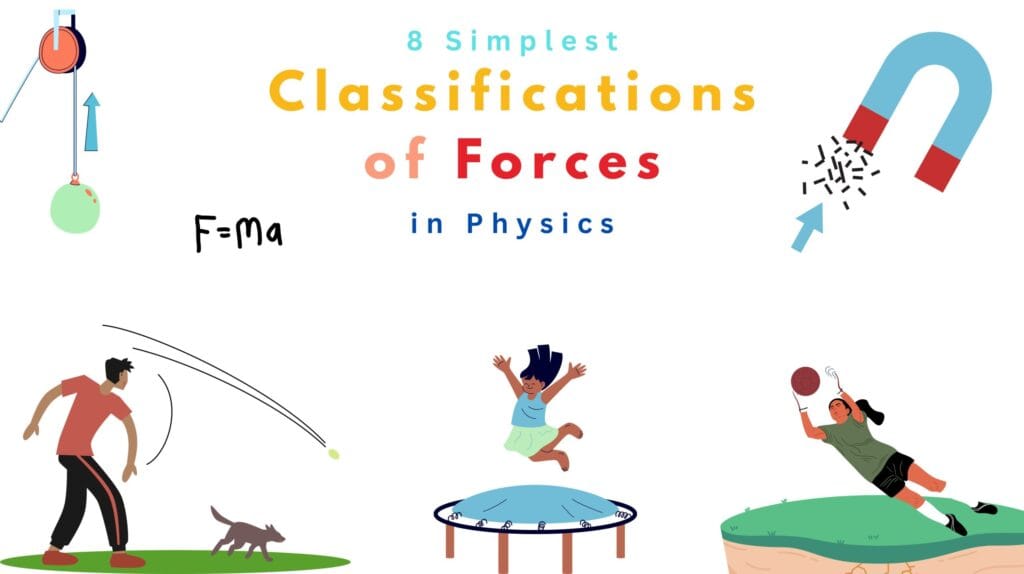
8 Simplest Classifications of Forces in Physics | Cover

8 Simplest Classifications of Forces in Physics | Master the Types of Forces

Based on the chosen criteria, there are different classifications of forces in physics. Here you will see 8 ways to classify forces. Introduction “Pushing, Pulling, Resisting, or Attracting — Forces are Everywhere.” Previously, you explored the definition of force, its effects, and its historical background. Now, we dive deeper to answer a crucial question: How

8 Simplest Classifications of Forces in Physics | Master the Types of Forces Read More »

00 - Storing Images, Audio, and Video in a Computer - Illustration

3 Types of Media Files Simplified | Storing Images, Audio, and Video in a Computer

This simple guide will let you know how to store 3 types of media files on a computer, including storing images, audio, and video in a computer. Introduction Have you ever wondered how your smartphone saves a photo, records your voice, or streams an entire movie? Whether it is a selfie, a song, or a

3 Types of Media Files Simplified | Storing Images, Audio, and Video in a Computer Read More »

Why Does Science Matter? | Superstitions to Science

Why Does Science Matter? | 6 Ways Science is Benefitting Humanity | Simplified

Why does science matter? Well, it helps to think clearly, live wisely, solve the puzzles of the universe, and appreciate the world that the Creator has given us. Introduction For centuries, people have tried to make sense of the world around them. When something strange or tragic happened—like a sudden death or a natural disaster—they

Why Does Science Matter? | 6 Ways Science is Benefitting Humanity | Simplified Read More »

Illustration of Plotting Graphs with Real Values | Cover

Plotting Graphs with Real Values | A Kid-Friendly Guide (Stage 3) | Part 2 Simplified

Here you will learn about plotting graphs with real values. It continues our previous discussion on plotting graphs. Introduction This part of your learning journey is all about going beyond the simple stuff. Earlier, you worked with graphs that use whole numbers. These graphs were included: 1. Category vs Number Graphs (The Friendly Start) 2.

Plotting Graphs with Real Values | A Kid-Friendly Guide (Stage 3) | Part 2 Simplified Read More »